


I have been a student at Northern Lights Secondary School in Moosonee Ont. for nearly four years.
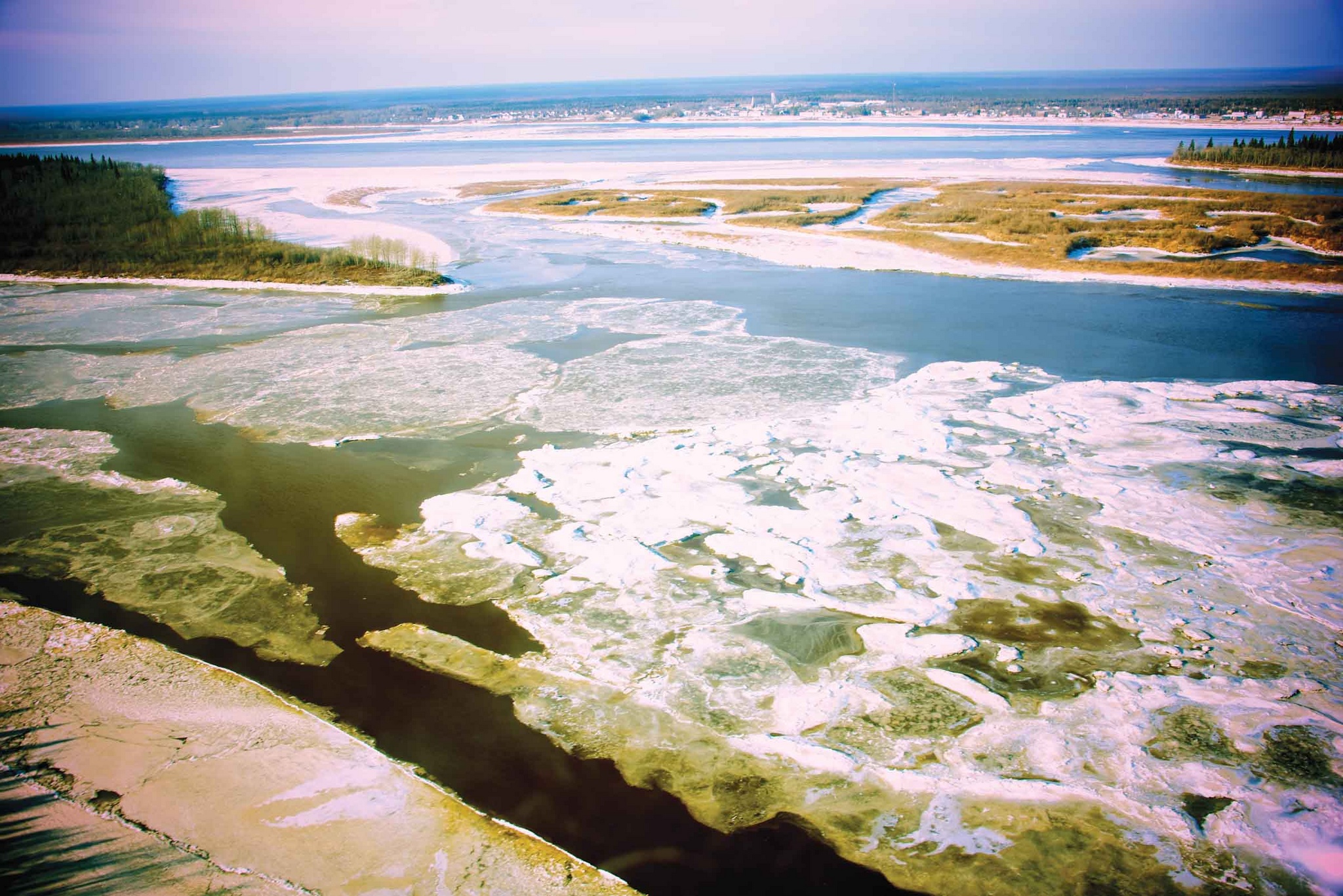
High school life confronts many challenges and in my case getting there is sometimes the biggest adventure. I live across the Moose River in Moose Factory and have been on countless boat trips, helicopter flights and travelled the winter ice road in a van on my way to class.
The worst of them all is helicopter season. At first I thought it was exciting, flying to school in a helicopter, but it quickly became bitter and almost discouraging for me. Since I am now in my 12th Grade year, pursuing my high school diploma in June 2014, with a co-op placement at 107.1 FM The Island, and also having to make time for my part-time job at the Northern Store, and playing for the high school hockey team, it’s hard enough having to deal with the problems that arise with school transportation – and transportation itself is unreliable. Having to juggle my life with education and work is a struggle and having to do it five times a week is stressful.
I am not alone in this struggle.
It’s a strange thing when helicopter rides are no longer exciting. People outside of school may think that seasonal transportation is adventurous, but in reality, it’s not as fun as you might think. Many of my classmates have to wait for scheduled trips to get to and from school each day. Seasonal weather delays, teenage snooze button appeal along with many other obstacles, can lead to late start to the morning. But during helicopter season, a late start means a lost day. This is frustrating.
My day starts with an alarm clock buzzing me out of slumber. Not always an easy task when balancing work, school and sporting obligations. Scheduled runs are early in the morning mean it’s my responsibility to get myself there early.
Every morning I walk the Nature Trail from my front door to the heliport, a trip taking several minutes. I arrive as early as possible and line-up with dozens of other students waiting in the queue to for a five-minute flight. Unpredictable weather, like heavy rain, fog, snow or wind can result in runs being delayed for hours to even being cancelled for the day.
At least once per winter, harsh weather cancels flights and classes for several days.
On a good day, I’ll be able to travel to school. The flight itself is relaxing. I overlook the landscape while considering my day. After we land, I board a van and I’m dropped off at school before 9 a.m.
Towards the end of the day, I think of the best way to get to the helicopters and back over the river to home. Students compete for spots on the earliest flights students who have jobs sometimes end up late for shift because they can’t get one of these coveted spots.
I struggle with transportation on the days I have work because I have to go with the same process of getting to school, but backwards. I worry about time constantly, wondering if I’ll make the first or second run going back to Moose Factory. I have a decision: walk to the heliport or take the school vans.
Most days, I run to the heliport because I believe it’s faster, and it prevents me wasting precious time and scrambling for a seat with the other students in the van. The waiting game occurs once again, and then walking to Northern is hard. Problems always happen when getting myself to work, but it’s worth the cash.
Getting to hockey on time is less of a concern because my teammates and I have gotten in the habit of pre-planning our route to the arena. But this year, Northern Lights Secondary School administration has decided students who live in Moose Factory are responsible for their return trip after extra-curricular activities. After hockey practices I have to consider where I can sleep for the night.
It’s stressful, but I have friends who help me out. I’m lucky to have teammates to give me a place to stay the night but not everyone has this option.
I dread this procedure every week: the waiting in line, flying over, being late and the hassles of getting home. I hear students who say they dislike the whole procedure entirely and I know students who rarely attend school and drop out because of these issues. Although I will continue to struggle across the water each day, I sympathize with their discouragement.
Perhaps the times has come to build a bridge.
This story produced with guidance from Danny Kresnyak of Journalists for Human Rights as part of JHR’s Northern Ontario Initiative.





My home community of Attawapiskat First Nation is celebrating the annual graduations of students from Kattawapiskak Elementary School and Vezina Secondary...
I was happy to see my nieces and nephews in Attawapiskat taking the opportunity to learn about the traditional practice of making Nah-mesh-tek, the Cree...