


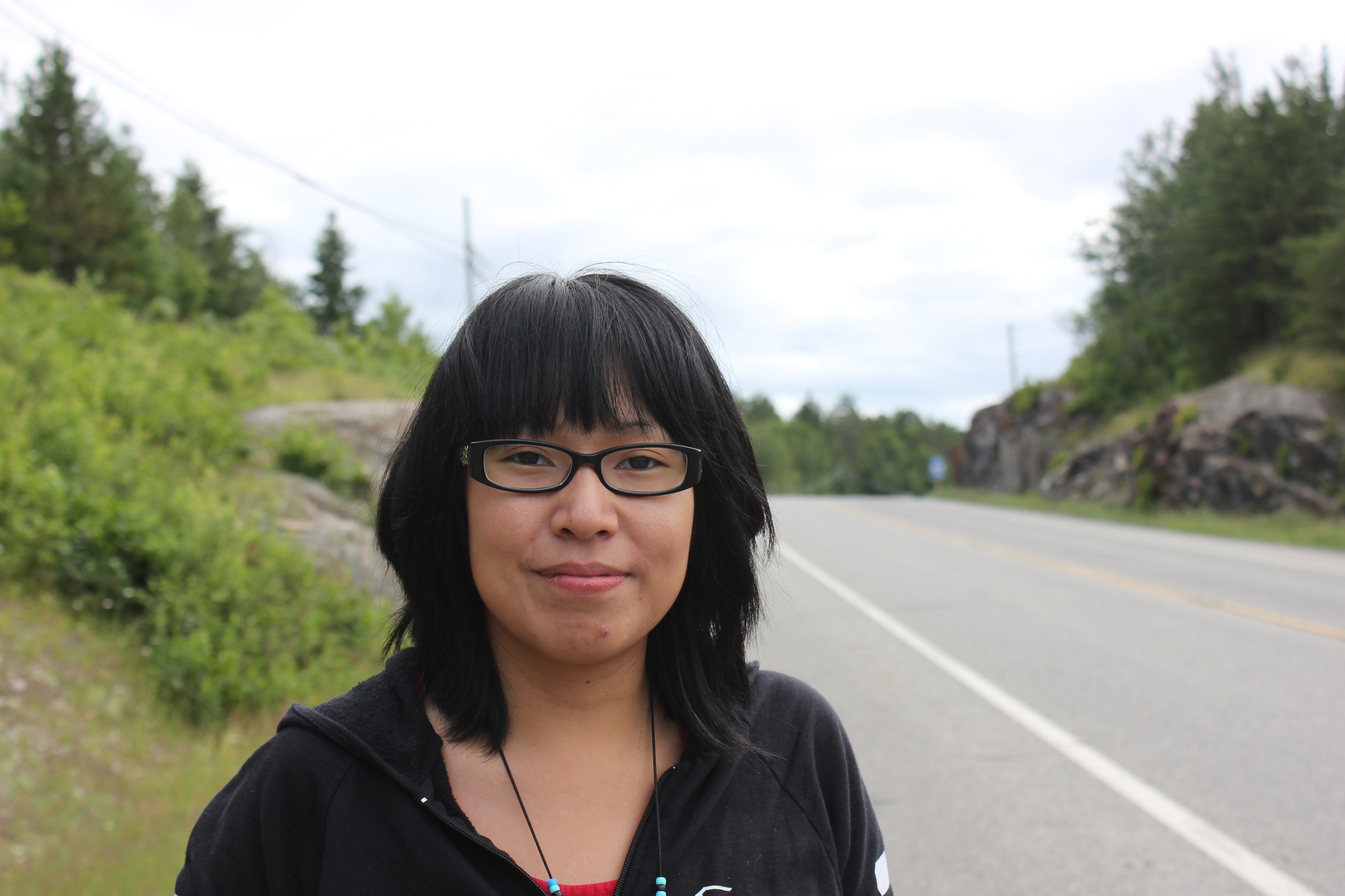
A Kitchenuhmaykoosib Inninuwug First Nation band member will be travelling through Mohawk territory by bike this summer with a group of environmental cyclists.
Michelane Gliddy, a band member from Kitchenuhmaykoosib Inninuwug, is an aspiring teacher and a sustainable living advocate.
She said the trip is geared at bringing people together.
“What inspired me to do this was, when I looked at the Otesha website, it was talking about developing the friendship between native people and non-native people,” said Gliddy. “I really wanted to be a part of that.”
Gliddy said it combined two of her favorite things: cycling and sustainable living.
The Otesha Project is a youth-led organization and a charity with the goal of challenging people living in Canada to live as sustainably as possible, said Otesha program coordinator Matt Schaff.
“Both ecologically speaking in terms of the environmental movement, and in terms of justice, building relationships amongst communities that are sustainable, and fair, and where all communities prosper,” said Schaaf.
Gliddy’s bicycle trip will take her over 300 kilometres, from Akwesasne, New York to Belleville, Ontario.
She joins ten other youth in Akwesasne on July 27, to spend four days in Mohawk territory while learning about the territory, studying medicinal plants, hanging out with other youth and putting on workshops.
Gliddy will then host workshops in communities along the route during the trip to Belleville.
The bike tour is a pilot project joint venture through Otesha and KAIROS, an ecumenical social justice organization, said Katy Quinn, program coordinator of Indigenous Rights for KAIROS.
“The goal of the bike tour is pretty much bringing together aboriginal and non-aboriginal people to learn from each other, share an experience together, and to help build bridges of understanding and respect,” said Quinn.
One of the workshops the volunteers will be doing is called the blanket exercise. The purpose of this particular workshop is to increase understanding of the shared history as Aboriginal and non-Aboriginal people in Canada, and to look at the nation to nation relationship, how it’s been eroded over the years due to government policies and attempts at assimilation, Quinn explained.
She said it provided an opportunity for the volunteers to deepen their understanding of indigenous issues so that they could return from the trip with an increased capacity to be “change makers in their own communities.”
“They’re going to brief us before the tour,” said Gliddy. “I know they’re going to adapt theatre and workshops, then the things we learn, we’re going to have to facilitate ourselves in each community.”
Gliddy said she hopes to take what she learns from this trip to her home community.


This past month, I was happy to attend two Pow Wows I hadn't been to in years. I attended the Mattagami First Nation Pow Wow and the Matachewan First Nation...
I was happy to see my home community of Attawapiskat on the James Bay coast announce the opening of the new St Francis Xavier Parish Church on August 25....