


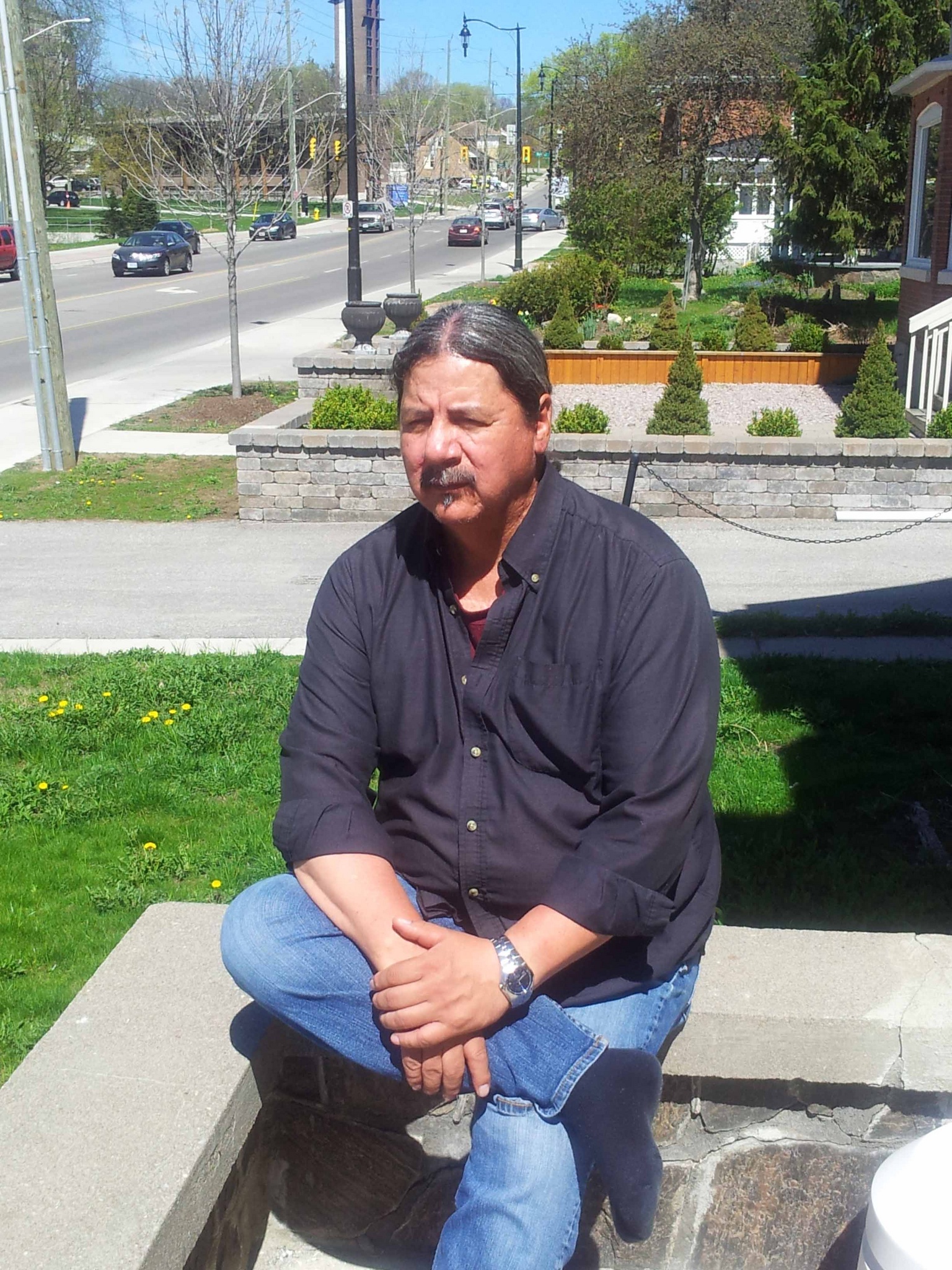
Housing quality on reserves are some of the worst in Canada. But Bernie Bird thinks he has a solution.
To alleviate the pressures of an expanding demand and poor standard of homes being built, Bernie Bird developed a solution called AlterNative Homes Ltd. which he said can build thousands of homes affordably, safely and quickly.
“My job took me all over Northern BC, Alberta and Saskatchewan,” he said. “We drove through a lot of reserves. We saw the housing situation and to me it was substandard. I realized there had to be something done. If there was anything I could do, I would try to contribute and that’s when we formed this company.”
Bird, originally from Moose Cree, founded the company two years ago after working as a Petroleum Engineer in the oil fields since 1978.
Four main issues facing most reserves are housing adequacy, affordability, quality and quantity. First Nation leaders and members are striving to make housing, work training opportunities and economics a priority, Bird said.
The first AlterNative home is being built this month to present to Chiefs in October. This is an opportunity for AlterNative Homes Ltd. to build key partnerships with communities to create sustainable, affordable and safe homes for all on-reserve community members, Bird said.
The substandard First Nation housing issues include structural, plumbing, heating, electricity, mold and mildew issues. Accommodation shortages, cost of housing construction, growing populations and substandard housing are also the rise, according to Bird.
“The biggest problem we are finding is mold caused by the moisture in the air on the inside of the home itself,” he said. Homes need to have better exchange of air options, to reduce mold and mildew.
AlterNative Homes Ltd. is opening up a manufacturing plant in Dryden, ON in the fall of 2013.
The new manufacturing plant should be fully operational by next summer. About 20 people will be employed to start. The location of the plant “is a great pivot point to go east or west and go to northern communities,” he said. The City of Dryden and Council are supporting the company.
The company will be creating disaster-resistant Composite Building Technology homes using Structural Insulated Panels (SIP).
“The panels have been around for about 50-60 years,” he said. “But the panels had been the product of wood and then gyprock on exterior and interior walls. The material we are using is magnesium oxide board.”
Traditional homes are built outside and are subject to water invasion. AlterNative Homes are built in a controlled environment and then shipped to reserves to be erected.
AlterNative Homes plans to assist First Nation housing issues by working in partnership with First Nation communities to construct quality, affordable housing designed to meet the needs of a community, supporting the efforts to bring home skilled trade workers by hiring and asking them to return home, checking the house continuously after it’s been built and exceeding national housing standards.
“The time it takes for us to put up a house in comparison to a regular home is short,” he said. “It takes up to six months to build a stick built home. We can put up our homes in a matter of days. And we can safely say that as long as the plumbing, electricity and the approvals are set in place, we could have people living in their homes in three weeks.”
Thousands of houses need to be built on reserve. “We are just touching the tip of the iceberg right now,” Bird said. Communities have already expressed interest in having hundreds of homes built by AlterNative Homes Ltd.
“We feel come next spring people will have interest to possibly build up to 1,000 homes,” he said.
Cost is the number one issue for on-reserve housing. With housing program cut backs, Canada Mortgage Housing Corporation (CMHC) fluctuating interest rates and mortgage approval rules, coupled with crown ownership of lands and the geography of most reserves, and low opportunity employment opportunities makes it difficult to set up individuals for success of being a homeowner.
Individuals are trying to get mortgages on their own and people have expressed interest to purchase an AlterNative Home Ltd. through various lending institutions, said Bird.
“Most of the people we are talking to now, they want to mortgage the house on their own,” he said. “There are a number of reserves that have a considerable amount of funding to let individuals get housing on their own. Our homes will be affordable. The cost is about $85 to $100 per square foot.”
People have told Bird they would rather use their land claim settlements to purchase homes instead of going through government or CMHC programs. They are collaborating with leadership and band members to pool resources, to leverage communities, to build partnering strategies and to link housing activities with increased home ownership, building involvement, job training and creation and community control to achieve sustainable housing and capacity options.
“We are going to be creating jobs on the First Nation reserves. We are not just coming in building a house to put it all together and say here you go and leave, we are going to get the community involved as much as possible,” he said.
“We hope to have a training centre to train First Nations to come and know what our product is. We want to teach people how to build these houses on the reserves themselves,” he said.
“We are here to make a better change for the long-term,” he said.



First Nation youth representatives are letting the world know that Indigenous people are ready to stand up and protect the land. Keira Spence, Kohen...
My home community of Attawapiskat First Nation is celebrating the annual graduations of students from Kattawapiskak Elementary School and Vezina Secondary...