


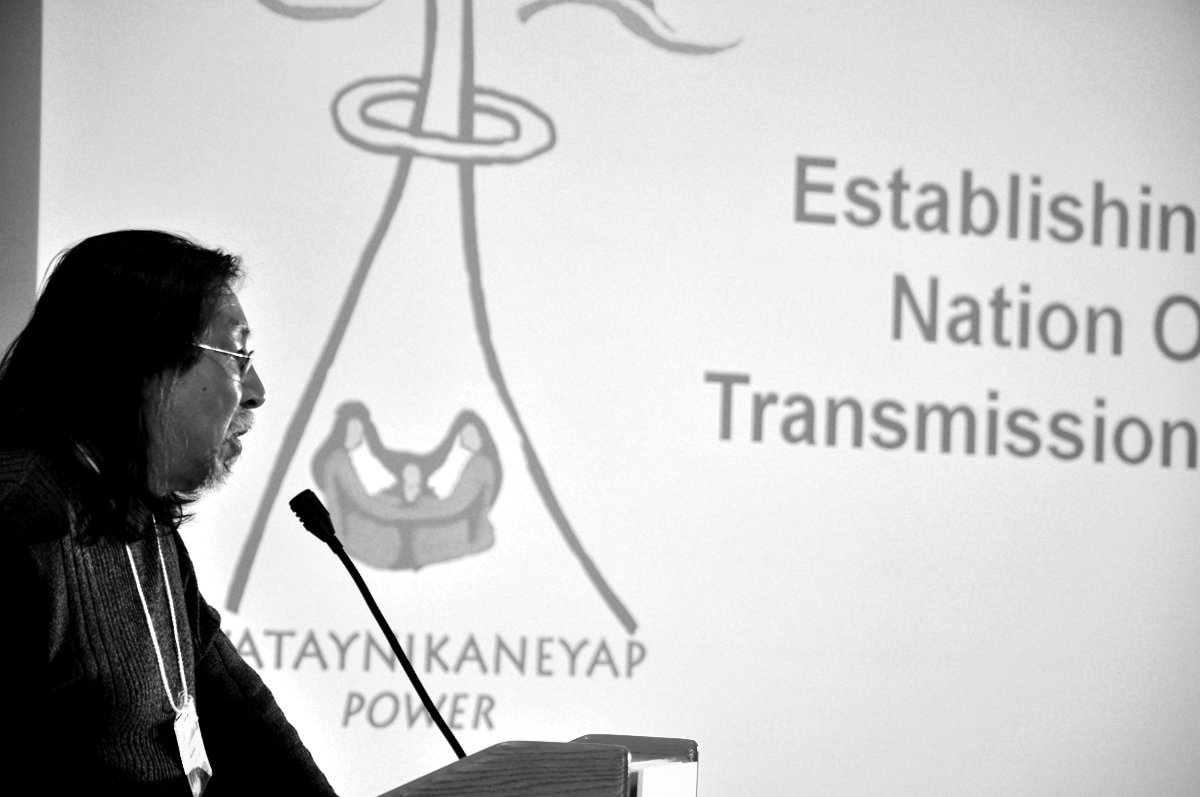
Nishnawbe Aski Nation is calling for all 49 communities to be connected to the Ontario power grid by 2018.
The NAN chiefs are looking for a northern electricity transmission system to be owned and operated by NAN regional utilities, with the planning, construction and eventual ownership of the system to be in the hands of First Nations.
“We have serious issues regarding sustainable and affordable electrical energy in our communities,” said Grand Chief Stan Beardy. “While we are making strides in planning for the future of generation and transmission, we must deal on a daily basis with our current needs and challenges. 2018 is a reasonable timeline to complete the power grid expansion and connect all NAN communities to the transmission system.”
Beardy said the transmission project will stimulate economic growth, provide for business opportunities and enable the development of renewable power generation within the communities.
Five Nations Energy Inc., a nonprofit corporation owned equally by Attawapiskat Power Corp., Fort Albany Power Corp. and Kashechewan Power Corporation, was developed about 15 years ago to build a 270-kilometre transmission line to serve the three James Bay communities.
Prior to construction of the transmission line, electricity was supplied by diesel generation plants, which had numerous limitations and eventually led to constrained growth in the communities by 1997.
Since the transmission line began operating, the three communities have experienced increased reliability, reduced environmental impacts and increased economic development, such as new residential subdivisions, new schools and recreational facilities.
The chiefs called for the northern Ontario electricity transmission line during the NAN Chiefs Energy Conference, held Jan. 31-Feb. 2 at the Valhalla Inn in Thunder Bay, as warmer winter weather conditions are making it more difficult to transport diesel fuel into the communities to power electricity generation plants.
“The temperature, when it normally should be about -30 or -40 (Celcius), is -5 and has been for a number of days now,” said former Muskrat Dam chief Frank Beardy, quoting a chief who had called during the lunch hour on the second day of the conference. “The ice is not getting any thicker. As a matter of fact, he was saying they went ice fishing last weekend and from what they were able to gather, the ice was thinner one inch than it was about two weeks ago. So rather than getting thicker, the ice was getting thinner.”
NAN communities with diesel-powered generation plants are currently transporting about eight million litres of diesel fuel each year, at an annual estimated cost of about $9 million, to provide electricity for water and sewage treatment plants, schools, homes, businesses and other buildings.
“We know the problems at the community level, but I don’t know if the public or the industry knows or cares,” said Deputy Grand Chief Mike Metatawabin. “The winter road activities are getting shorter and shorter, so that is going be more difficult in a couple of years.”
If the communities are unable to transport diesel fuel in over the winter roads, they will have to fly it in at a significantly higher cost.


This past month, I was happy to attend two Pow Wows I hadn't been to in years. I attended the Mattagami First Nation Pow Wow and the Matachewan First Nation...
I was happy to see my home community of Attawapiskat on the James Bay coast announce the opening of the new St Francis Xavier Parish Church on August 25....