


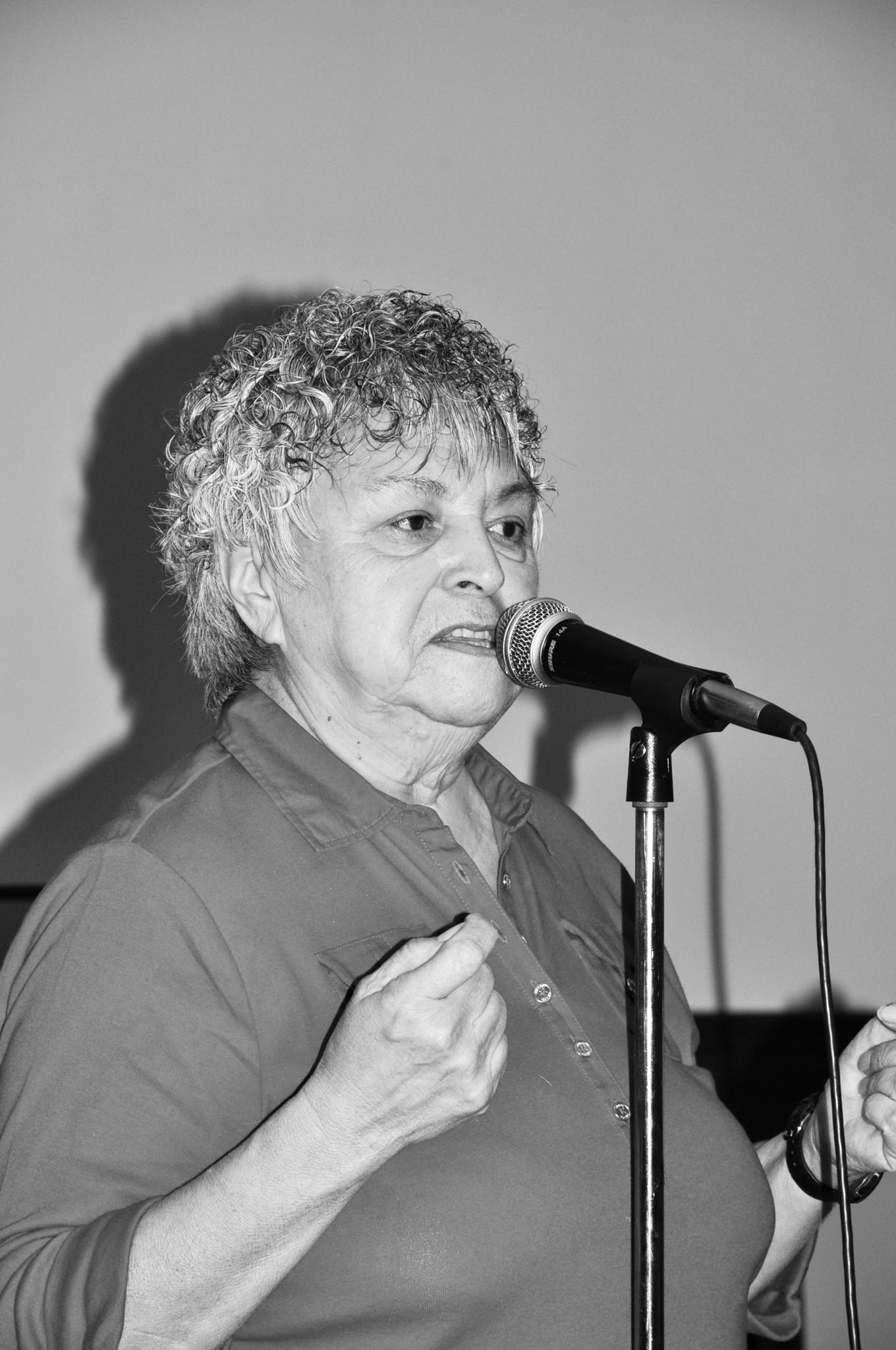
Questions were raised Feb. 2-3 after an Arrest the Legacy circle in Thunder Bay heard 145 of 150 people in the Kenora Jail about a year ago were Aboriginal.
“A hundred were male, and of those 100, 95 per cent were Aboriginal male,” said Jackie Fletcher, a member of the Nishnawbe Aski Nation Women’s Council, quoting numbers brought up by former NAN deputy grand chief Alvin Fiddler during the Arrest the Legacy From Residential Schools to Prisons circle.
“The other 50 were women, and of the 50 women, they were all Aboriginal women. That totally blew me away — I’m talking about overrepresentation.”
Although she knew there was Aboriginal overrepresentation in the prison system, Fletcher found the statistics Fiddler discovered during a visit to the Kenora Jail to be “just phenomenal.”
The Arrest the Legacy circle was held by the Native Women’s Association of Canada at the Thunder Bay Metis Community Centre to encourage discussion about and to gain an understanding of the impact of the Canadian legal system on Aboriginal women and girls, including direct and intergenerational survivors of the residential school system.
“People don’t know how they are affecting other generations,” Fletcher said.
“The residential school survivor knows something went on, they don’t know how to verbalize it, they don’t know how to look at it in their mind as to how it is affecting the next generation.”
Fletcher said her sister lost her language due to residential school, even though she had always said nothing happened to her during residential school.
“She was separated from her family for nine years,” Fletcher said. “She lost the bonding that happened, the parenting, all those things.”
Instead of learning good parenting skills, Fletcher said residential school students learned how to punish their children.
“You shamed your kids, you hit them, you beat them,” Fletcher said.
“We need to change what has happened to us — we don’t need to carry that on. We need to stop it.”
Fletcher plans to take the information she learned during the circle back home to her community, to an upcoming NAN Women’s Council meeting in March and to the Shingwauk Indian Residential School reunion in July.
Fiona Cook, research and policy officer with NWAC, noted the concerns expressed about over-incarceration of Aboriginal women and girls in the prison system during the circle.
“Even after the Gladue ruling, the Supreme Court ruling in 1999, that was supposed to make over-incarceration less of a problem, it’s actually become more of a problem,” Cook said. “Over one third of those spots (in federal prisons) are taken up by Aboriginal women and with the situation of girls, it is 44 per cent right now of Aboriginal girls (who) make up the youth custody across the country.”
The Gladue ruling called for judges to take into account the social and economic conditions facing Aboriginals and the effects of residential schools when making court decisions.
Cook said the circle brought together Aboriginal and non-aboriginal people, including those who have worked with Aboriginal women and girls in conflict with the law, crown prosecutors, police, youth service workers and Elders.
“It was really a mix of people and an opportunity to hear from each other’s perspectives,” Cook said. “And to build bridges, because you can’t really make a difference in the community if you don’t build bridges.”
A pre-conference day was also held Feb. 1 for Aboriginal women and girls who have been in custody, criminalized or in conflict with the law.


This past month, I was happy to attend two Pow Wows I hadn't been to in years. I attended the Mattagami First Nation Pow Wow and the Matachewan First Nation...
I was happy to see my home community of Attawapiskat on the James Bay coast announce the opening of the new St Francis Xavier Parish Church on August 25....