


Grand Chief Harvey Yesno is calling for increased First Nations governance, rather than a one-size-fits all approach to changing the Indian Act, after two motions were tabled in the House of Commons to replace or alter the Indian Act.
“We know the impediments the Indian Act would have because we always have to ask Indian Affairs to manage lands or how we deal with leases on reserve or to create a bylaw,” Yesno said. “So we said a number of years ago through the leadership that we want to be able to govern ourselves and govern our affairs.”
Yesno said the development of an act to replace the Indian Act would be a challenge due to the diverse concerns of First Nations across the country.
“In Nishnawbe Aski here, we have 32 communities that are fly-in and remote communities and I don’t think we have the same challenges as urban or road-access reserves have, where they have to deal with expropriation of lands for railroad, transmission, pipelines, highways and other things like that,” Yesno said. “We are not the majority across the country but we still do represent a significant percentage, because I think there are 120 remotes all throughout the country.”
Yesno said NAN had been discussing the governance issue with the federal government over the past 10 years.
“The main piece of our whole discussions over the years has been around education and jurisdiction,” Yesno said. “We believe that was one of our centre pieces of our discussions with the government, and now it’s bogged down just a little over a year now and there hasn’t been any movement.”
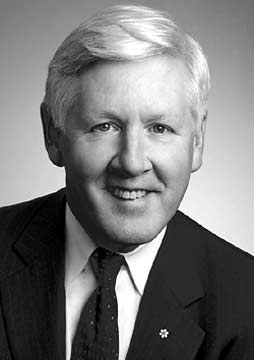
Liberal Party of Canada leader Bob Rae tabled his motion, M-386, on Oct. 22, four days after Conservative Party of Canada MP Rob Clarke tabled his Private Member’s Bill C-428 on Oct. 18.
Rae’s motion calls on the federal government to work with First Nations on a nation-to-nation basis to replace the Indian Act.
“First Nations have been very clear – we must shed the colonial institutions and frameworks that have characterized the Crown-First Nations relationship to date if we want to work together towards a new process,” Rae said. “This motion compels the federal government to work in partnership with First Nations to finally resolve the countless long-standing economic and social inequities that affect them.”
Rae‘s motion calls for the government to establish a formal nation-to-nation process between First Nations and the Crown to replace the Indian Act with new agreements that fulfill the Crown’s responsibilities to First Nations in a manner consistent with First Nations’ rights, the original Treaty relationships with First Nations upon which Canada was founded, the outstanding obligations and promises on behalf of the Crown to First Nations, and the standards established in the United Nations Declaration on the Rights of Indigenous People.
“As First Nations leaders across the country have stated, the Indian Act remains the most significant obstacle to progress for First Nations communities across Canada,” Rae said.
“While the Conservative government has so far refused to engage in any substantive discussions on the issue, I hope they will take the opportunity that my motion provides to do so.”
Clarke’s bill aims to repeal sections of the Indian Act that deal with wills and estates, sale or barter of produce, changing bylaws, restriction of trade with First Nations, the way First Nations people are described in legal documents and the removal of residential school references from the Indian Act.
Clarke’s bill also includes a section that requires the minister of Indian and Northern Affairs to report before Jan. 31 each year on the work undertaken by his or her department in collaboration with First Nations organizations and other interested parties to develop new legislation to replace the Indian Act.


This past month, I was happy to attend two Pow Wows I hadn't been to in years. I attended the Mattagami First Nation Pow Wow and the Matachewan First Nation...
I was happy to see my home community of Attawapiskat on the James Bay coast announce the opening of the new St Francis Xavier Parish Church on August 25....