


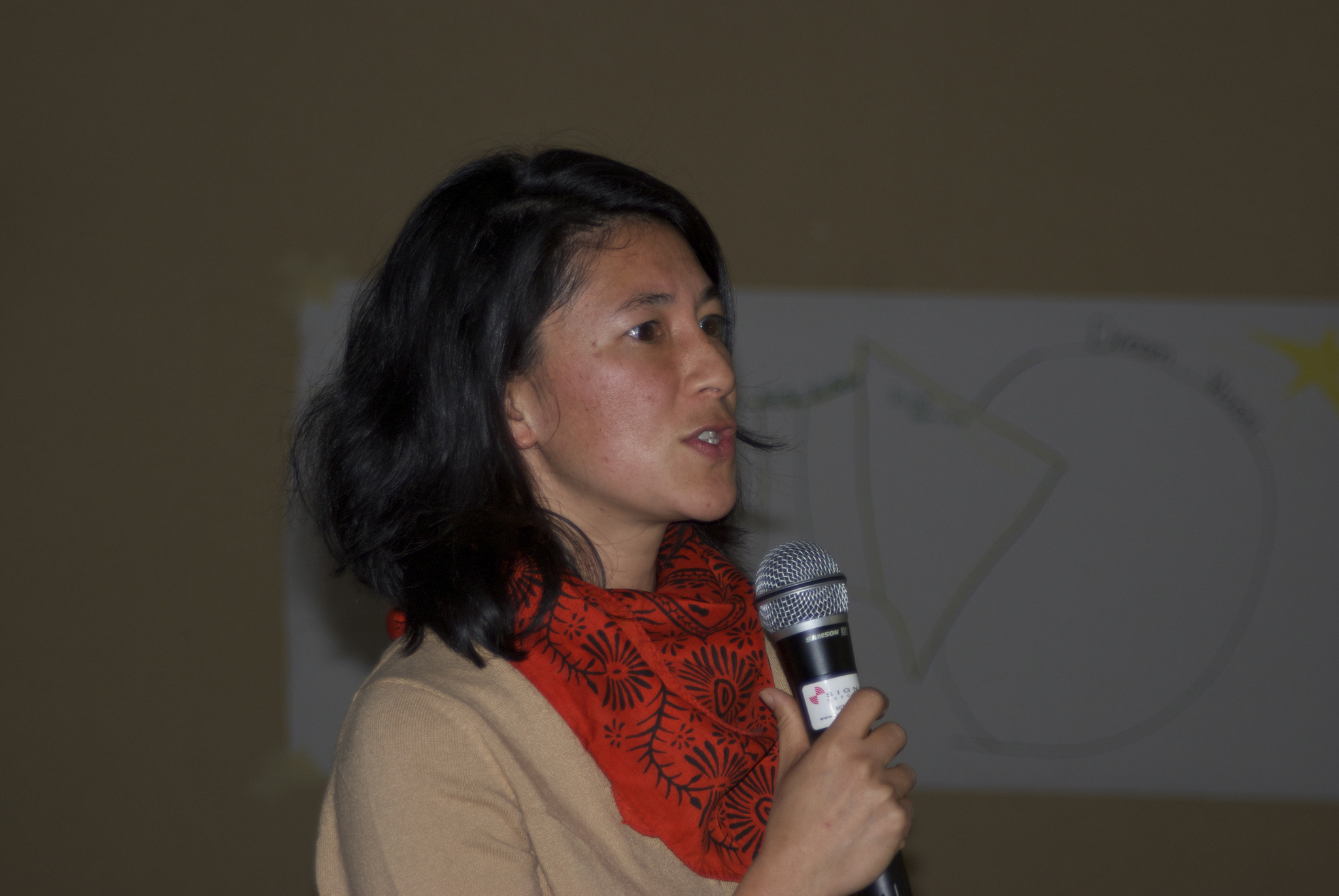
Concerns about food costs and availability across Nishnawbe Aski Nation were raised Oct. 25-27 during the NAN 2011 Food Symposium.
“Fort Albany, like other communities, faces a challenge in getting affordable food, quality food as well as being able to feed our families,” said Gigi Veeraraghavan during her Oct. 27 presentation at the Best Western Nor’Wester Resort Hotel in Thunder Bay. “Hunting has also become expensive because now we have to go out in our big minivans and boat and motor and go camping.”
A member of Fort Albany’s food security committee, Veeraraghavan said many of the concerns raised in the Food Symposium have also been discussed in Fort Albany over the past year, such as the health of community members, the cost of food and the environmental cleanliness of the community’s water.
“We also looked at the strengths that we have in our community as a way to look at what we could build on,” Veeraraghavan said, noting one success has been the student’s nutrition program that started about 20 years ago. “That student nutrition program has grown and now feeds all the 150 students in our schools.”
Veeraraghavan said the community learned from its student nutrition program, which orders all its food from outside the community, and now brings in fruit, vegetables, milk and some meat for other community members from bigger communities down South where food prices are much lower.
“I found that throwing in some steaks at the farmer’s market creates some excitement,” Veeraraghavan said. “I like to look at the flyers at the store where I am shopping if I am able to shop online and buy what is on sale down there so we can transfer that sale price to Fort Albany.”
Veeraraghavan said the food is sold as soon as possible, usually within an hour after it arrives in the community, because it is too difficult to stockpile it.
The food security committee has also developed a food box program that provides families with a variety of foods from the four food groups.
“Last time we threw in some microwave popcorn as a treat,” Veeraraghavan said. “Just something they can buy for a reasonable price and bring home to their family and feed them for a week.”
Although the food security’s programs have helped out many families in Fort Albany, it does not address the needs of all community members.
“Not everyone can afford bulk food,” said David Sutherland, employment and training advisor with Fort Albany and a marathon runner. “What do we do about the Elders? The single people? The single parent with the one child? It’s not as if they can walk into the store and buy bulk food.”
Sutherland is calling for the different food suppliers in Fort Albany to work together so people can purchase good food at a reasonable price on a regular basis.
“We need these nutrients everyday,” Sutherland said. “Food shouldn’t be every two weeks.”
The Food Symposium included discussions on maintaining and promoting forest and fresh water food systems, traditional food systems, project planning and community involvement, alternative marketing structures, and building food skills in cultivation and preparation.
“Given the current conditions regarding food shortages and high pricing of food in NAN territory and around the world, NAN continues to assist communities in finding solutions,” said Grand Chief Stan Beardy. “By working to address concerns related to diabetes, childhood obesity, affordability of healthy foods, and the sustainability of traditional food systems, we create a more healthy future for our generations to come.”
Presentations were made on growing food in the North, garden planning, bee keeping, raising chickens and collective harvests with workshops being held on food preservation.
NAN has developed a number of diverse initiatives to assist with the high-cost of nutritious foods in NAN territory, including an initiative this past summer where several communities received fresh, healthy produce at reduced rates through the Nutrition North Canada program.
As well, four applications were selected from Fort Albany, Keewaywin, Sandy Lake and Wapekeka/Wawakapewin to develop and implement community-led food projects as part of a two-year pilot project through the Ontario Ministry of Health Promotion and Sport – Healthy Communities Fund.


This past month, I was happy to attend two Pow Wows I hadn't been to in years. I attended the Mattagami First Nation Pow Wow and the Matachewan First Nation...
I was happy to see my home community of Attawapiskat on the James Bay coast announce the opening of the new St Francis Xavier Parish Church on August 25....