


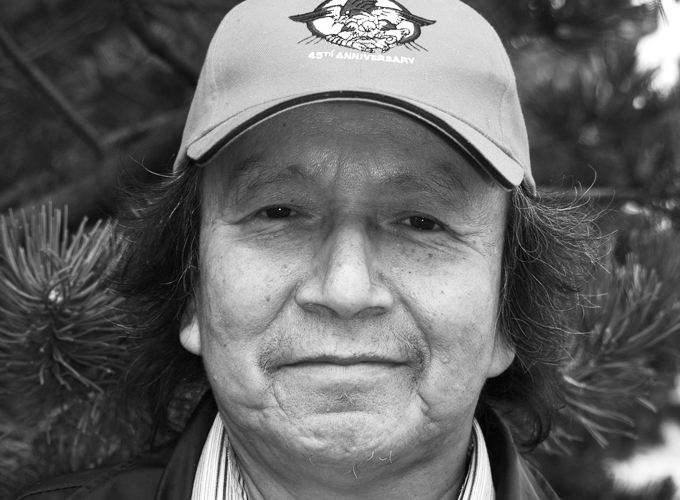
Kingfisher Lake’s Henry McKay shot the first moose in his community on the way back home from where he is building a cabin on the land.
“It was in the evening just before sundown,” said the National Native Alcohol and Drug Abuse Program worker and former band councillor from 1989-2001. “We didn’t have any knives or axes, but I had a radiophone with me and I called back in the community ... to get my son to come over to bring all the knives and axes and a flashlight. We were three boats all together and not even one of us had a knife or an axe.”
McKay didn’t get back to the community until about 10:45 that evening, during the second week of September, after cutting up the medium-sized moose on the shore about four or five miles from the community across the lake.
“I distributed it to those who helped us cut up the meat over there along the shore,” he said. “I also distributed some meat in the community, as far as I could. It wasn’t a big moose.”
McKay learned about hunting moose when he was a little boy, but he didn’t shoot a moose until he was a parent with two children.
“I used to go with my grandparents camping in the spring and the fall,” McKay said. “I learned the skills from what I saw with my grandfather while out camping and hunting.”
His first moose was a 24-point bull he shot while travelling by boat on the Pipestone River about 10-12 miles from Kingfisher Lake.
“It was pretty exciting,” McKay said.


This past month, I was happy to attend two Pow Wows I hadn't been to in years. I attended the Mattagami First Nation Pow Wow and the Matachewan First Nation...
I was happy to see my home community of Attawapiskat on the James Bay coast announce the opening of the new St Francis Xavier Parish Church on August 25....