


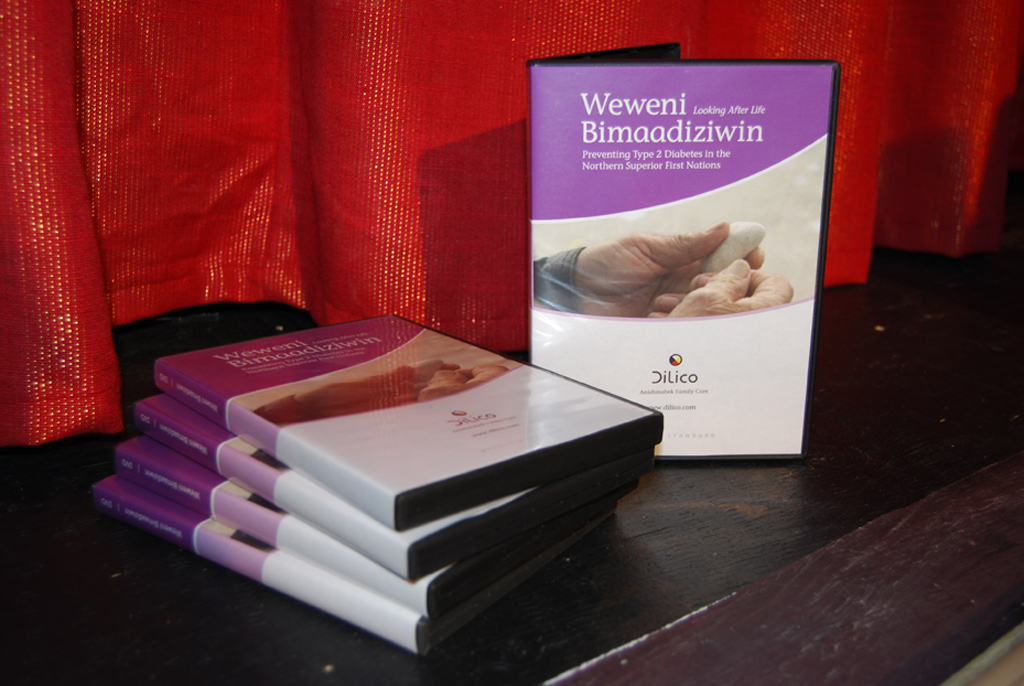
Dilico Anishinabek Family Care launched a film to try and help prevent Type 2 diabetes’ grip, a disease that has ravaged First Nation members.
The agency premiered its new video, Weweni Bimaadiziwin (Looking After Life) Preventing Type 2 Diabetes in the Northern Superior First Nations, at the Paramount Theatre in Thunder Bay Sept. 3.
“Type 2 diabetes is a very common and serious disease that affects many families in our Northern Superior First Nations,” said Georgina Redsky, Dilico’s community health services manager. “We know that one out of seven Aboriginal people in Ontario has diabetes, and in our communities, 94 per cent of the cases are Type 2.
“It isn’t unusual for a grandmother, a child or a dad to have the disease in one family unit. However, what many community members do not know is that Type 2 diabetes is preventable. This educational video is a first step towards helping our members to understand the disease, to identify the risks and to make changes in their own lives to promote wellness.”
The premiere brought together various partners and community members involved in the development of the video, which was shot and produced this past spring.
The film was written and produced by Dilico Anishinabek Family Care in collaboration with Firedog Communications. The video – consisting of five chapters – blends information about the causes, symptoms, and prevention tactics associated with Type 2 diabetes, with the experiences of Elders and First Nation community members who have been affected by the disease.
Through the use of facts, storytelling and imagery, the video communicates a very impactful message about how to prevent and manage Type 2 diabetes – a message that originates from community members and is grounded in culturally sensitive and traditional ways of sharing information.
Several real-life diabetes patients are interviewed throughout the video.
They talk about living with the disease, how it has affected their families and communities and the importance of living a healthy, balanced lifestyle and developing positive relationships in order to prevent the disease.
“Our young people today need to become more aware about how decisions they make now about their lifestyle will affect them in the future. I remember when I was diagnosed with Type 2 diabetes. At first I was frustrated, but then I had to change the way I thought about it. I had to decide to make positive choices about all aspects of my health – the physical, emotional, mental, and spiritual,” said Elder Gilbert Legarde, a key storyteller in the video.
“This is the message we are trying to communicate to younger generations in this video – and by sharing our stories, people can learn from our experiences and think about the importance of things like proper nutrition, spirituality, exercise, and spending time with family,”
The video offers information to help people recognize the risks and symptoms of diabetes in order to help them live a healthier life, Redsky said.
“It is never too late to reduce the risks of Type 2 diabetes,” she said.
The twenty-minute video will be distributed to health centres throughout the Northern Superior First Nations.
For further information on diabetes, support, programs, and the video please contact Dilico Anishinabek Family Care at www.dilico.com.
I was happy to see my home community of Attawapiskat on the James Bay coast announce the opening of the new St Francis Xavier Parish Church on August 25....
Attawapiskat First Nation wrapped up another successful Kattawapiskak Keekehwin Gathering for the community. The week-long event was held from August 2 to 8...